



What if the "pure" supplement in your cabinet contains more industrial flow agents than active vitamins? It's a valid concern for those seeking high grade niacinamide powder in an era where cosmetic grade and dietary safe are frequently confused. You likely prioritize ingredient transparency and fear the hidden presence of heavy metals or clumping agents that compromise efficacy. We agree that professional-tier wellness requires a level of manufacturing precision that standard retail offerings often fail to meet.
This article provides the definitive framework for verifying supplement purity according to 2026 standards. You'll discover how to identify lab-grade powders that maintain a strict nicotinic acid threshold of less than 100 ppm, ensuring your nutritional support is both potent and safe. We provide a meticulous guide through the essential checklist for manufacturing hygiene and the markers of clinical excellence established by a 70-year legacy of physician-led standards. Expect a clear breakdown of what separates industrial-grade fillers from the prestigious purity of a professional supplement.
Key Takeaways
- Learn the clinical distinctions between standard Vitamin B3 and professional-tier formulations.
- Identify the five essential purity markers required to verify high grade niacinamide powder for precise nutritional support.
- Understand why standard food-grade certifications may still permit undesirable fillers and clumping agents.
- Discover how a 70-year physician-led legacy informs modern, state-of-the-art hygienic manufacturing protocols for absolute purity.
What is High Grade Niacinamide Powder?
Niacinamide (Nicotinamide) is a highly stable, water-soluble form of Vitamin B3. Unlike its counterpart nicotinic acid, this specific derivative provides essential nutritional support without the uncomfortable "flush" reaction. True high grade niacinamide powder represents a specific tier of purity that exceeds standard commercial or cosmetic versions. It is defined by its crystalline structure and the absolute absence of industrial contaminants. While many retail options focus on topical application, a professional-grade powder is refined for precise metabolic support and systemic wellness.
Discerning individuals seek these powders to ensure they receive a concentrated active ingredient. High-grade standards involve rigorous testing for heavy metals and residual solvents. This level of quality control was originally developed for a high-profile clientele that demanded clinical excellence. Today, it remains the gold standard for those who view nutrition through a lens of scientific rigor. Purity isn't just a marketing claim; it's a measurable metric of manufacturing precision.
The Science of Vitamin B3 and Cellular Support
Niacinamide serves as a critical precursor to NAD+, a coenzyme required for energy metabolism and DNA repair. Without sufficient B3, cellular function can become sluggish. Choosing a high-purity niacinamide vitamin b3 powder ensures the body receives a direct, efficient path to these metabolic benefits. It's a stable molecule that survives the manufacturing process without degradation. Professional formulations prioritize this stability to maintain potency from the laboratory to the end user.
- Energy Production: Supports the conversion of macronutrients into ATP.
- Cellular Integrity: Assists in maintaining the health of the skin and internal tissues.
- Non-Flushing Profile: Provides the benefits of B3 without the vascular dilation caused by niacin.
Powder vs. Capsules: The Purity Advantage
Standard B3 capsules often contain hidden "other ingredients" used to speed up automated production. Common additives include magnesium stearate, microcrystalline cellulose, and silica. These excipients serve the machinery, not the consumer. Pure high grade niacinamide powder removes these variables entirely. It allows for precise, filler-free dosing tailored to individual requirements. Maintaining this level of purity requires a state-of-the-art hygienic facility. Without flow agents, the powder must be handled with extreme care to prevent clumping. This commitment to a clean format is why heritage brands, founded on physician-led principles, continue to favor the powdered medium.
Manufacturing Standards for Professional-Tier Supplements
The production of high grade niacinamide powder occurs in a dedicated, hygienic laboratory environment. This setting is distinct from facilities that process standard cosmetic ingredients or bulk food additives. Professional-tier manufacturing requires a controlled atmosphere to prevent cross-contamination and ensure molecular stability. While many "white-label" startups prioritize speed and marketing, heritage brands focus on the technical precision of the refining process. This disciplined approach ensures that the final product meets the rigorous safety thresholds required for internal use.
Modern manufacturing hygiene has evolved from exclusive, physician-led origins into a systematic science. In the past, these high-purity standards were often reserved for a select, high-profile clientele. Today, those same protocols are accessible to individuals who demand clinical excellence. Verifying the absence of industrial contaminants is paramount. This involves testing for heavy metals and ensuring the powder remains free from residual solvents used in lower-grade extraction methods. For those monitoring intake levels and safety profiles, the NIH Niacin Fact Sheet provides essential data on metabolic roles and established upper limits.
Clinical Heritage and Physician-Led Formulation
The legacy of physician-led brands dates back to 1956. This foundation ensures that every batch is evaluated through a clinical lens rather than a commercial one. Physician-founded operations prioritize biological outcomes and the long-term safety of the consumer. This history of reliability informs current state-of-the-art protocols. Consistent molecular stability is the hallmark of niacinamide powder nutritional support. It requires a facility that understands the delicate balance of crystalline structures. A professional laboratory doesn't just pack powder; it preserves the integrity of the Vitamin B3 molecule.
Eliminating Fillers and Industrial Additives
Discerning consumers recognize that high grade niacinamide powder requires a higher standard of manufacture than typical retail supplements. Many bulk powders utilize industrial flow agents like maltodextrin or rice flour to prevent clumping in high-speed machinery. These additives serve the manufacturer's efficiency but dilute the consumer's results. Processing pure crystals without chemical anti-caking agents is technically difficult and requires slower, more meticulous handling.
- Zero Excipients: The absence of magnesium stearate and silica ensures a clean metabolic path.
- Precise Dosing: Filler-free powders allow for exact measurements without the interference of binders.
- Rigorous Testing: Third-party verification confirms the "Clean Label" promise is a technical reality.
Choosing a professional-tier supplement like Super Niacinamide ensures these rigorous protocols are met without compromise.
The High Grade Niacinamide Checklist: 5 Essentials
Identifying high grade niacinamide powder requires moving beyond the surface-level claims of standard retail packaging. Professional laboratory standards demand a rigorous evaluation of the Certificate of Analysis (COA) and physical properties. While many products are marketed as "pure," the technical definition of purity varies significantly between cosmetic, food, and laboratory tiers. A structured framework allows the discerning consumer to verify quality with clinical precision.
Verifying these essentials ensures the powder is suitable for precise nutritional support. It prevents the accidental ingestion of industrial byproducts or low-grade residues. High-purity batches exhibit specific crystalline behaviors and solubility profiles that are absent in inferior versions. This checklist acts as a professional safeguard for your health regimen.
1. Verification of Laboratory Grade Purity
The first marker of excellence is a minimum 99% purity threshold. You should always request the COA to confirm the batch meets this specific metric. Ensure the documentation designates the powder for nutritional or dietary use rather than "technical" or "industrial" applications. The United States Pharmacopeia (USP) standard for Niacinamide specifies a purity level between 99.0% and 101.0% when calculated on a dried basis. This narrow window indicates a highly refined substance with negligible impurities.
2. Absence of Heavy Metals and Contaminants
Strict laboratory intervention is necessary to eliminate environmental toxins. "Natural" origins don't guarantee safety without multi-stage testing for lead, mercury, and arsenic. A professional manufacturer provides full transparency regarding their sourcing and purification methods. Look for batches that undergo High-Performance Liquid Chromatography (HPLC) to verify the absence of nicotinic acid residues. This level of scrutiny ensures the powder remains stable and safe for long-term use.
3. Physical Characteristics: Color, Odor, and Texture
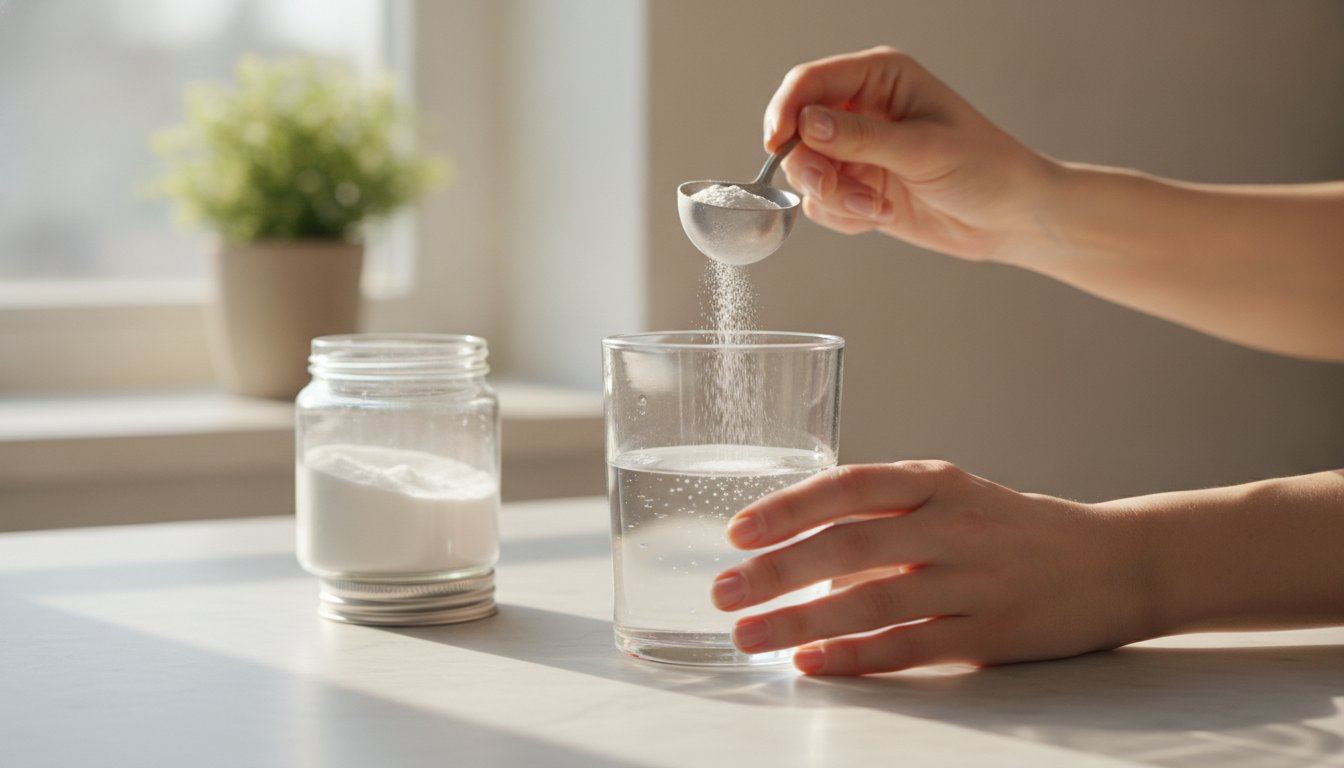
High-grade Niacinamide is a white, crystalline powder with no distinct odor. Any yellow tint or chemical scent suggests oxidation or the presence of residual solvents. The texture should be consistent and free from clumps. Beyond its internal uses, the skin benefits of niacinamide are best realized when the powder is free from irritants. You can perform a simple solubility test at home. Pure Niacinamide is freely soluble and should dissolve clearly in water without leaving sediment or a cloudy film. If the solution remains opaque, it likely contains insoluble binders or industrial flow agents.
- Visual Clarity: Crystals should be bright white and uniform in size.
- Olfactory Neutrality: No sour or metallic scents should be present.
- Solubility: Total dissolution in room-temperature water within seconds.

Comparing Grades: Cosmetic vs. Food vs. Laboratory
The distinction between ingredient grades is often misunderstood by the average consumer. Many assume that a "pure" label carries the same weight regardless of the industry. This is a critical error in judgment. Regulatory oversight and physical refining processes vary significantly between cosmetic, food, and laboratory tiers. While a cosmetic-grade powder might be suitable for a topical serum, it lacks the molecular refinement required for systemic nutritional support. True high grade niacinamide powder represents the apex of this hierarchy, refined in facilities that prioritize clinical safety over commercial volume.
Investing in a professional-tier powder eliminates the risks associated with industrial-grade manufacturing. Lower tiers often prioritize cost-efficiency, which results in higher permissible levels of heavy metals and residual solvents. These impurities can hinder absorption and potentially cause adverse reactions. Selecting a laboratory-grade product ensures you are receiving a substance intended for precise, high-level wellness protocols rather than bulk industrial application.
Understanding Cosmetic Grade Limitations
Cosmetic grades are designed for external use. Because the skin acts as a barrier, these powders are permitted to contain higher levels of certain impurities than dietary versions. One prevalent issue is the presence of nicotinic acid (niacin) residues. In lower-grade powders, these residues can exceed 100 ppm, leading to skin redness or the "niacin flush" even when used topically. Labels on these products frequently specify "external use only" to reflect their limited purification. They are not held to the same Good Manufacturing Practices (GMP) required for substances intended for ingestion.
The Superiority of Professional Laboratory Grades
Professional laboratory grades undergo a meticulous refining process to achieve crystalline perfection. This involves multiple stages of filtration and recrystallization to ensure the final product is free from binders or flow agents. You can observe these standards in other high-tier offerings, such as the mannitol powder quality standards used as a benchmark for supplement excellence. These rigorous protocols guarantee a stable, non-reactive molecule that the body can utilize effectively. Professional grades are the only logical choice for those seeking reliable metabolic support without the interference of industrial byproducts.
- Regulatory Rigor: Laboratory grades must meet strict USP standards for purity and identity.
- Bioavailability: The absence of fillers ensures the active Vitamin B3 is fully accessible to the body.
- Safety Assurance: Multi-stage testing confirms the absence of lead, arsenic, and mercury.
For individuals who refuse to compromise on their health standards, choosing a verified professional supplement is essential. Experience the difference of physician-led manufacturing by selecting Super Niacinamide for your daily regimen.
The Sunshine Valley Standard: Super Niacinamide
Super Niacinamide represents the culmination of 70 years of manufacturing expertise. Founded in 1956 by a physician, our brand remains committed to the highest standards of professional purity. This legacy informs our current state-of-the-art hygiene protocols, ensuring every batch meets the requirements of a clinical environment. While many modern "white-label" startups prioritize rapid scaling and flashy marketing, we focus on the technical precision of our high grade niacinamide powder. Our "No Filler" guarantee ensures that every batch contains only pure crystals. We eliminate industrial flow agents, glidants, and binders that compromise the integrity of the active Vitamin B3 molecule. It's a product designed for the discerning individual who refuses to compromise on their wellness journey.
Our manufacturing process is a disciplined exercise in quality control. We operate out of a facility that mirrors the rigor of a professional laboratory. This approach allows us to maintain a level of cleanliness that standard dietary supplement manufacturers often overlook. By controlling every variable from sourcing to packaging, we preserve the stability and potency of the Niacinamide crystals. This dedication to excellence is why we categorize our offerings in the "Super" tier, a designation reserved for products that exceed standard market expectations.
Precision Manufacturing for Discerning Clientele
Maintaining the stability of pure Niacinamide crystals without chemical additives requires a meticulous environment. Standard manufacturing often relies on magnesium stearate or silica to prevent clumping in high-speed machines. We reject these industrial shortcuts. Our state-of-the-art facility utilizes specialized handling techniques to preserve molecular integrity. This commitment to professional purity is a direct extension of our physician-founder's clinical vision. Historically, these standards were developed for a high-profile, discerning clientele who demanded absolute excellence. We continue to serve those who view their health as a prestigious asset that requires the highest level of care.
How to Integrate Super Niacinamide into Your Routine
Incorporating high grade niacinamide powder into a daily regimen is straightforward and efficient. Because our powder is free from insoluble binders, it provides a versatile foundation for nutritional support. Choosing a brand that prioritizes clinical standards over marketing trends provides peace of mind regarding manufacturing hygiene. You're acquiring a lab-grade tool for health optimization rather than a mass-market retail product. Consider these integration methods:
- Direct Dissolution: Stir the precise dose into a glass of room-temperature water for immediate absorption.
- Customized Blending: Incorporate the powder into your preferred nutritional shake without altering the flavor profile.
- Precise Measurement: Use a micro-scale to ensure your intake matches your specific metabolic requirements.
Choose the purity your body deserves. Invest in the clinical heritage and technical precision of Super Niacinamide today.
Elevating Your Standards for Clinical Purity
Achieving optimal wellness requires a commitment to ingredients that meet the most rigorous laboratory standards. You've learned how to distinguish professional laboratory grades from standard cosmetic versions by evaluating solubility, crystal structure, and the absolute absence of industrial flow agents. Selecting high grade niacinamide powder isn't merely a preference for quality; it's a strategic choice to avoid the hidden binders and heavy metal contaminants that compromise lower-tier supplements. Precision in manufacturing remains the only reliable safeguard for your long-term nutritional goals.
Sunshine Valley remains a disciplined guardian of these standards. Our state-of-the-art hygienic manufacturing facility operates with the same clinical precision established by our physician-founder in 1956. We provide clinical-grade purity with zero fillers to ensure your body receives only the essential Vitamin B3 it requires for cellular support. This legacy of excellence ensures that you don't have to settle for industrial shortcuts or marketing-driven formulations. You deserve a supplement that mirrors your own dedication to health and transparency.
Secure Your Professional-Tier Super Niacinamide Powder Today and experience the prestigious reliability of a formula refined through seven decades of expertise. Your path to precise nutritional support begins with absolute purity.
Frequently Asked Questions
What is the difference between niacinamide powder and niacin powder?
Niacinamide is the non-flushing derivative of Vitamin B3. Niacin, also known as nicotinic acid, causes vascular dilation that leads to a warm, red sensation on the skin. While both forms support cellular energy, niacinamide is preferred for those who want metabolic benefits without the uncomfortable physical reaction associated with niacin.
Can I use high-grade niacinamide powder both topically and internally?
Yes, provided the powder is laboratory-grade and designated for dietary use. High grade niacinamide powder refined for nutritional support meets the safety standards required for both ingestion and topical application. You should always verify that the product isn't restricted to "external use only" before incorporating it into your internal wellness regimen.
How do I know if my niacinamide powder contains fillers?
Perform a simple solubility test by stirring a small amount of powder into room-temperature water. Pure niacinamide crystals should dissolve completely and leave the liquid clear. If the solution remains cloudy or shows visible sediment, the product likely contains industrial flow agents like silica, rice flour, or maltodextrin.
What should I look for on a Certificate of Analysis (COA)?
Verify that the purity threshold is at least 99% and check the heavy metal analysis results. A professional COA should list specific levels for lead, mercury, and arsenic to ensure they're within safe limits. You should also look for High-Performance Liquid Chromatography (HPLC) results that confirm low levels of nicotinic acid residues.
Why does some niacinamide powder cause a "flush" while others do not?
Flushing is caused by residual nicotinic acid or the hydrolysis of the niacinamide molecule into niacin. Low-grade powders often have higher thresholds for these impurities. Professional-tier crystals are refined to keep these irritants below 100 ppm, which prevents the vascular dilation responsible for the flushing sensation.
How should I store high-purity niacinamide powder to maintain its shelf life?
Store your powder in an airtight container in a cool, dry place away from direct sunlight. High-purity crystals are stable but sensitive to moisture and excessive heat. Proper storage prevents clumping and ensures the molecular integrity of the Vitamin B3 remains intact for the duration of its shelf life.
Is "Cosmetic Grade" niacinamide safe for nutritional support?
Cosmetic grade is generally unsafe for ingestion. These versions are permitted to have higher levels of heavy metals and residual solvents because they're intended for external use only. For internal nutritional support, you must choose a laboratory-grade or dietary-safe powder that adheres to much stricter Good Manufacturing Practices.
Why is powdered niacinamide better than taking B3 capsules?
Powdered formats eliminate the need for the binders and glidants found in standard capsules. Many manufacturers use magnesium stearate or silica to speed up automated encapsulation. Pure powders offer a cleaner metabolic path and provide the flexibility to measure precise dosages tailored to your specific health requirements.

Leave a comment
This site is protected by hCaptcha and the hCaptcha Privacy Policy and Terms of Service apply.