




The label on a commercial powder often masks a reality of manufacturing shortcuts and minimal regulatory compliance. Achieving a standard of pure food grade lactose requires more than just meeting the basic legal threshold of 98 percent purity; it demands a commitment to laboratory-level precision. You likely recognize that the integrity of your final formula depends entirely on the quality of your carrier. It's frustrating when you don't have total transparency regarding hidden fillers or confusing technical jargon like FCC and NF standards.
This guide clarifies the critical differences between standard industrial grades and true laboratory-standard purity. You'll gain the confidence to source additive-free powders and understand exactly how to evaluate supplier quality. We will examine the rigorous ADPI specifications that define high-purity edible grades and explain why heritage manufacturing remains the gold standard for nutritional applications. This is your professional roadmap to securing the cleanest ingredients for your specific needs.
Key Takeaways
- Distinguish between basic industrial compliance and laboratory-standard purity to ensure your formulations remain free from hidden contaminants.
- Gain clarity on technical grading systems like FCC and NF to select the appropriate level of pure food grade lactose for specific nutritional applications.
- Understand the scientific advantages of specialized carriers like Super Lactose Dry for maintaining stability in hygroscopic powder mixtures.
- Identify premium powder quality through visual consistency and the strict "zero filler" rule to avoid industrial-grade anti-caking agents.
- Discover how heritage manufacturing standards provide a reliable, clinical-grade alternative to generic commercial powders for discerning clients.
What is Pure Food Grade Lactose? Defining the Basics
Lactose is a naturally occurring disaccharide, often referred to as milk sugar, extracted through the crystallization of whey or milk permeate. While many perceive it simply as a byproduct of the dairy industry, pure food grade lactose serves as a sophisticated carbohydrate essential for modern food science. Its primary commercial form is lactose monohydrate. This specific crystalline structure ensures the powder remains stable, free-flowing, and resistant to moisture absorption during storage. It's a disciplined choice for manufacturers who prioritize consistency over cost-cutting.
According to the Food Chemicals Codex (FCC), food-grade lactose is a crystalline sugar obtained from milk or whey that must meet specific identity, purity, and microbial limit requirements to be deemed safe for human consumption. A common misconception is that lactose serves only as a passive filler in dietary supplements. In reality, it acts as a functional nutrient and a high-efficiency carrier. It preserves the bio-activity of delicate ingredients and provides a stable base for complex nutritional formulas.
The Molecular Structure of Lactose Monohydrate
Chemically, the molecule consists of a bond between glucose and galactose. The monohydrate designation refers to the single water molecule integrated into the crystal lattice. This molecular arrangement provides exceptional physical stability. It prevents the powder from clumping, which is a common failure point in lower-tier industrial powders. With a sweetness level approximately 20% to 40% of sucrose, it offers a clean mouthfeel and high solubility without overwhelming the flavor profile of the final formulation. It's the standard for those seeking a neutral, reliable foundation.
Why Purity Matters in Dietary Powders
Purity is the defining characteristic of professional-grade powders. Industrial-grade lactose often contains trace minerals, salts, and residual proteins that can interfere with the stability of a supplement mix. The American Dairy Products Institute (ADPI) Lactose Standard v4.0, effective June 7, 2023, dictates that edible food-grade lactose should maintain a minimum of 99.0% lactose on a dry basis. This exceeds the basic federal requirement of 98% set by 21CFR 168.122.
Choosing a laboratory-standard powder like Super Lactose ensures that these contaminants are removed through advanced refining processes. Lower-grade alternatives may introduce unwanted allergens or metallic aftertastes. When you use high-purity carriers, you guarantee the consistency of the dosage and the longevity of the product. This precision is vital for those creating bespoke nutritional blends where every milligram counts. It reflects a commitment to excellence that heritage brands have upheld for decades.
Comparing Grades: Food, Pharmaceutical, and Industrial Lactose
Identifying pure food grade lactose requires a disciplined understanding of the regulatory hierarchy. Not all white powders are identical. The market categorizes these carbohydrates based on their refining processes and residual impurities. While industrial-grade variants serve technical purposes, edible and pharmaceutical grades must satisfy stringent safety protocols. The Functional roles of lactose in the modern supply chain are diverse, yet the margin for error in nutritional applications is non-existent. Achieving laboratory-standard purity is a matter of manufacturing precision and clinical rigor.
Industrial vs. Edible Lactose: A Critical Distinction
Industrial-grade lactose is a byproduct of large-scale dairy processing intended for animal feed or fermentation. It often contains higher levels of residual proteins and minerals that make it unsuitable for human consumption. In contrast, edible or food-grade lactose must adhere to strict microbial limits and heavy metal restrictions. Regulatory bodies like the FDA mandate that these powders remain free from harmful pathogens. For those seeking the highest standards, pure food grade lactose acts as a reliable baseline for safety and digestibility in daily supplements.
Deciphering Labels: FCC, USP, and NF Grades
The Food Chemicals Codex (FCC) provides the essential framework for food-grade ingredients. It defines the purity, identity, and quality standards necessary for consumer safety. Beyond this, the National Formulary (NF) and United States Pharmacopeia (USP) represent the pinnacle of refining. These pharmaceutical grades undergo additional purification steps to remove virtually all trace elements. While standard food-grade lactose may contain up to 0.3% sulfated ash on a dry basis, premium refined powders frequently lower this threshold to 0.1% or less to minimize mineral interference. This reduction in ash and protein is what separates a generic additive from a professional-grade carrier.
Sunshine Valley's commitment to quality aligns with these high-tier requirements. Our Super Lactose is processed in a state-of-the-art hygienic facility to ensure a product that exceeds basic compliance. We prioritize the removal of industrial-grade additives to maintain a heritage of excellence established in 1956. If you're looking for a powder that reflects this level of clinical authority, explore the benefits of Super Lactose for your next formulation. Our processes ensure that every batch meets the expectations of the most discerning clients who value purity above all else.
Functional Roles of Lactose in Nutrition and Food Science
Lactose is far more than a passive ingredient. In the disciplined world of food science, pure food grade lactose serves as a high-performance tool for achieving structural and chemical stability. Its utility stems from a unique combination of low sweetness, high solubility, and a stable crystalline lattice. Whether acting as a carrier for potent nutrients or a browning agent in artisanal baking, its presence is a hallmark of professional formulation. It provides the density and flowability required for precision manufacturing without the undesirable flavor profile of standard cane sugar.
For those managing moisture-sensitive ingredients, Super Lactose Dry represents a specialized advancement in powder technology. This variant is engineered specifically for hygroscopic formulations, where clumping and degradation are constant risks. By maintaining a lower moisture threshold, it preserves the integrity of the active components. In culinary applications, lactose is prized for its role in the Maillard reaction. It facilitates a deep, golden browning in baked goods at lower temperatures, providing visual appeal and complex flavor development without increasing the sugar concentration of the final product.
The Ideal Carrier for High-Potency Vitamins
The pharmaceutical and supplement industries rely on lactose for geometric dilution. This process ensures that micro-ingredients, such as niacinamide vitamin b3 powder, are distributed evenly throughout a larger batch. Without a high-purity carrier, consistent dosing becomes impossible. The neutrality of pure food grade lactose is essential here. It does not react with active vitamins or mask their intended profiles. Its superior flowability also makes it the preferred choice for DIY capsule filling, ensuring that powders move efficiently through equipment without sticking or bridging. This efficiency is critical for maintaining professional standards in small-batch production.
Lactose in Specialty Food Applications
In specialty nutrition, lactose is indispensable. It's the primary carbohydrate in infant formula, designed to mimic the natural profile of human breast milk for optimal neonatal development. In the confectionery sector, it acts as a crystal modifier. It controls the grain and texture of syrups and fudges, preventing the gritty mouthfeel associated with poor sugar management. The brewing industry also utilizes lactose for its non-fermentable properties. Because brewer's yeast cannot break down the lactose molecule, the sugar remains in the finished product. This provides the signature creamy body and smooth mouthfeel found in traditional milk stouts, all while keeping the alcohol content stable. It's a precise solution for complex flavor engineering.

Selection Criteria: How to Identify High-Purity Lactose
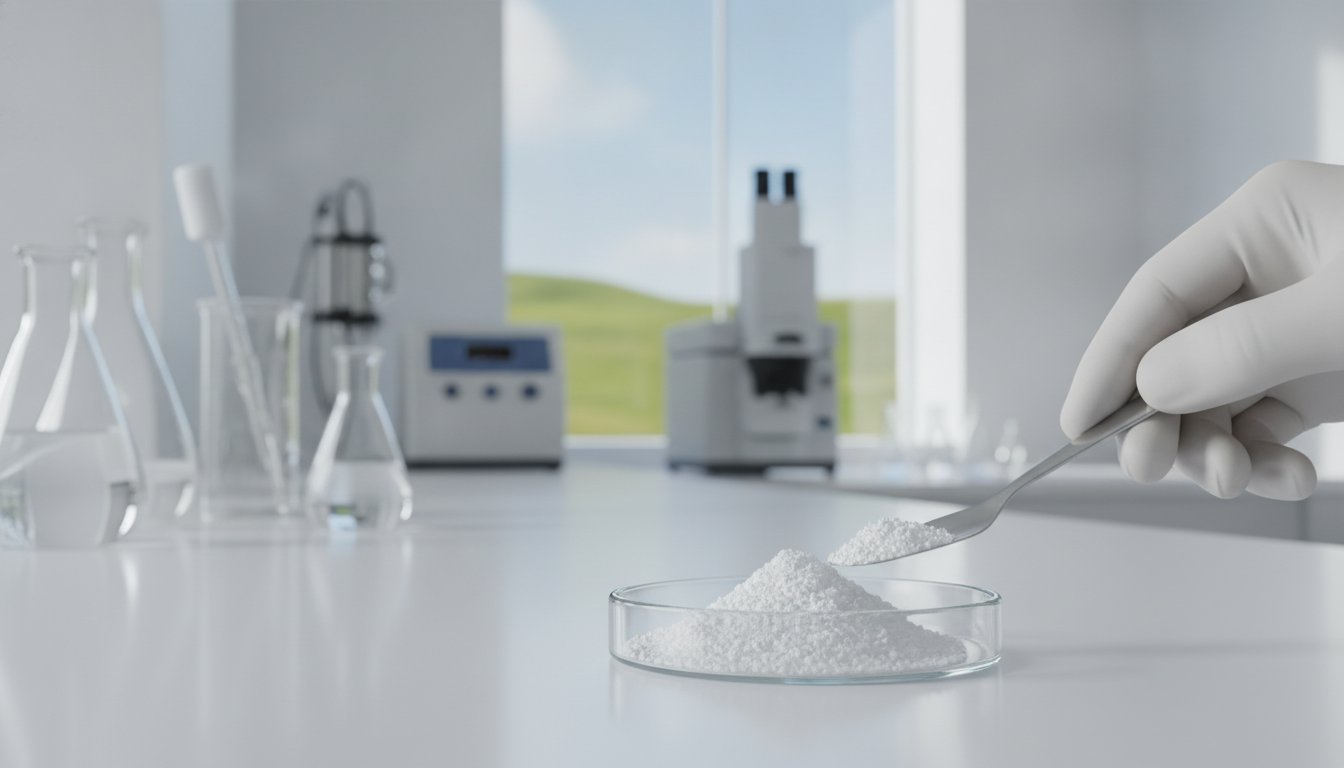
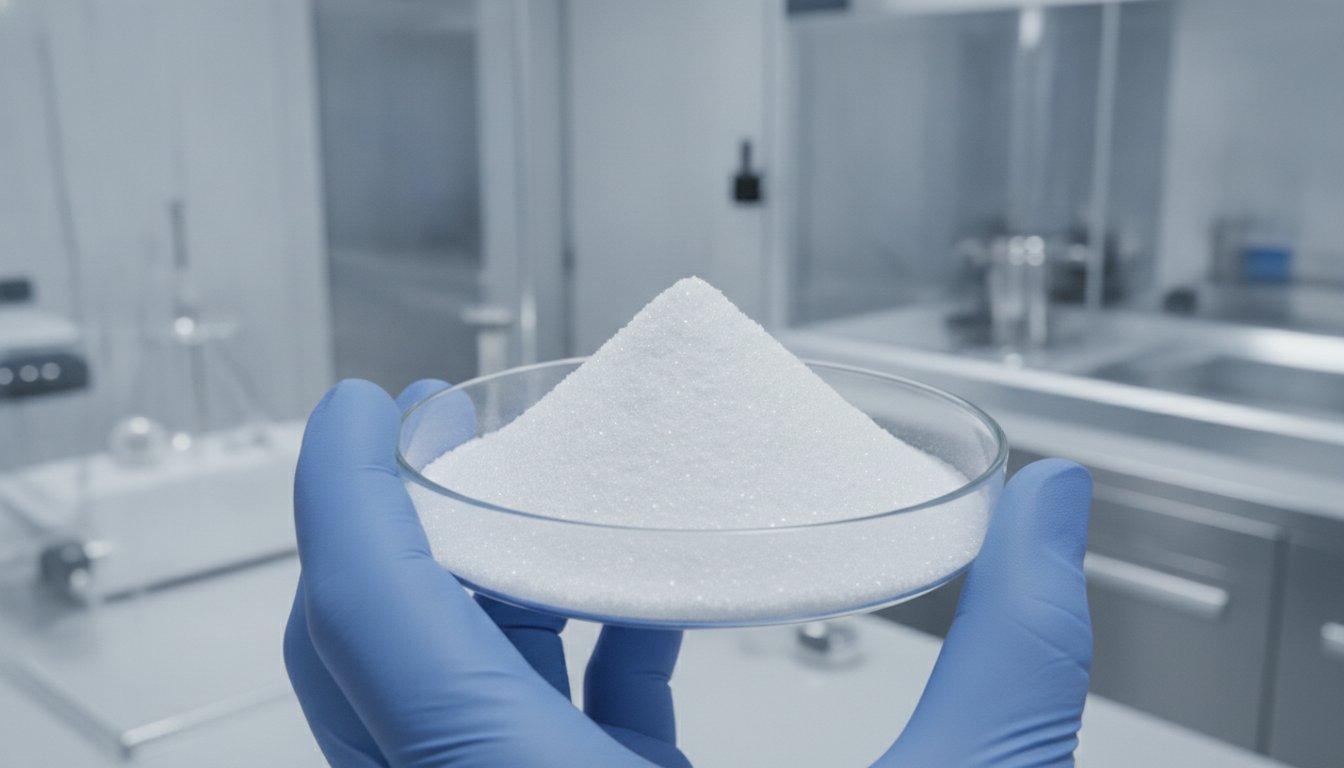
Selecting pure food grade lactose requires a disciplined eye for detail. Many consumers encounter a paradox: they use lactose as a carrier to avoid industrial fillers, yet the lactose they purchase often contains its own hidden additives. Identifying a truly laboratory-standard powder involves evaluating physical characteristics and demanding total sourcing transparency. A premium product is defined by what's absent as much as what's present. It's a matter of clinical integrity and manufacturing precision.
Visual inspection provides the first indicator of quality. A high-purity powder should appear as a brilliant, uniform white. Any yellowing or grayish tint suggests residual proteins or mineral contamination from insufficient refining. The texture must be consistent. While some clumping is natural in humid environments, the powder should easily return to a free-flowing state with minimal effort. Odor is another critical marker. Professional-grade lactose is virtually odorless; any sour or dairy-like scent indicates a failure in the purification process or improper storage protocols.
Avoiding Additives and Secondary Fillers
Many bulk suppliers include silicon dioxide or magnesium stearate to improve flowability in high-speed industrial machinery. These anti-caking agents are undesirable in sensitive health routines and can interfere with the stability of your blend. Seeking Clean Label lactose ensures you're receiving a single-ingredient product without technical shortcuts. This level of scrutiny is standard for those who also evaluate mannitol powder quality standards as part of a comprehensive purity strategy. Eliminating these secondary fillers is the only way to guarantee the absolute integrity of your bespoke formulations.
Certifications and Lab Testing
Third-party validation remains the most reliable way to confirm purity levels. Reputable manufacturers provide a Certificate of Analysis (CoA) for every batch, which serves as the definitive proof of ash content, microbial limits, and heavy metal testing. This document is the gold standard for discerning buyers because it moves beyond marketing claims into verifiable, laboratory-standard data. Additionally, certifications like Kosher and Halal indicate a high level of facility hygiene and oversight. These standards reflect a commitment to excellence that generic brands often overlook in favor of higher volume.
Proper storage is the final step in maintaining these high standards. Lactose is sensitive to environmental moisture and can degrade if exposed to fluctuating temperatures. It should be kept in an airtight container in a cool, dry location to prevent clumping and maintain its crystalline stability. Our commitment to these rigorous protocols ensures that every batch of Super Lactose remains stable from our facility to your home. If you demand a carrier that meets the most prestigious clinical standards, choosing a heritage-driven supplier is essential for your wellness goals.
The Sunshine Valley Standard: Super Lactose and Heritage Purity
Sunshine Valley established a standard of excellence in 1956 that continues to define the premium carbohydrate market. While many suppliers treat lactose as a bulk industrial commodity, we approach pure food grade lactose as a critical wellness ingredient. Our legacy is built on a foundation of clinical authority and heritage-driven confidence. We've spent decades refining our processes to serve the most discerning clients who demand absolute transparency in their nutritional components. This commitment to superior manufacturing ensures that our powders remain free from the shortcuts common in mass-market production.
The evolution of our brand reflects a transition from exclusive wellness solutions to a globally accessible standard of purity. Historically marketed to Hollywood stars for health optimization, our products now bring that same prestigious quality to your home. We maintain a state-of-the-art hygienic manufacturing facility where every batch undergoes rigorous quality control. This disciplined environment is essential for preventing the cross-contamination often found in multi-purpose industrial plants. By prioritizing results over flashy marketing, we act as a guardian of your health standards.
Super Lactose vs. Super Lactose Dry
Choosing the correct formulation depends entirely on your specific nutritional requirements. Super Lactose is our flagship crystalline powder, offering the versatility and neutrality required for most supplement carriers. For those working with moisture-sensitive ingredients, Super Lactose Dry provides a specialized solution with a lower moisture threshold. This precision prevents degradation in complex blends and maximizes bioavailability. Our doctor-founded roots continue to influence these protocols. We don't just provide a product; we offer a scientifically sound foundation for your health routine. Every formulation reflects a meticulous attention to detail that only a heritage brand can provide.
Why Heritage Brands Offer Greater Security
The longevity of Sunshine Valley serves as a testament to our consistent quality. In an industry where suppliers often disappear or change standards, our 1956 foundation provides a sense of established reliability. We apply high-profile manufacturing standards to every individual customer, ensuring that the powder you receive is identical to the ones favored by clinical professionals. This stability is the ultimate safeguard against hidden fillers and industrial-grade additives. When you choose a brand with a proven lineage, you're investing in a legacy of purity and scientific rigor. Experience the Sunshine Valley difference with Super Lactose and secure the highest tier of pure food grade lactose available for your formulations. Our history is your guarantee of excellence.
Elevate Your Formulations with Laboratory Precision
Achieving the perfect nutritional blend requires more than just meeting federal minimums. It's about selecting a carrier that preserves the integrity of every micro-ingredient. You now understand how to distinguish between industrial-grade shortcuts and the clinical rigor of pure food grade lactose. By prioritizing high-purity standards and verifying laboratory certifications, you eliminate the risks associated with hidden additives. You shouldn't settle for anything less than total transparency in your supply chain.
Sunshine Valley remains a disciplined guardian of these standards. Our doctor-founded heritage, established in 1956, ensures a level of reliability that generic brands cannot match. We operate a state-of-the-art hygienic manufacturing facility dedicated to producing the Super line with zero fillers or secondary additives. This commitment to excellence provides the security you need for your health routine. It's time to demand more from your ingredients and prioritize long-term results.
Shop Premium Super Lactose at Sunshine Valley to experience a product designed for the most discerning clients. Take command of your wellness journey with the purest ingredients available today.
Frequently Asked Questions
What is the difference between food grade and pharmaceutical grade lactose?
Pharmaceutical grade lactose meets higher purity thresholds and stricter microbial limits compared to standard food grade variants. While federal regulations for food grade require 98% purity, pharmaceutical standards like USP or NF demand additional refining to remove trace proteins and minerals. This results in a powder with significantly lower sulfated ash content. Choosing pure food grade lactose from heritage suppliers often provides a middle ground of laboratory-standard purity suitable for nutritional applications.
Can I use food grade lactose for home-brewing beer?
You can use food grade lactose in home-brewing to add body and a creamy mouthfeel to stouts and porters. Because brewer's yeast cannot ferment the lactose molecule, it remains in the finished beer to provide residual sweetness. Professional brewers favor high-purity powders to avoid introducing off-flavors or unwanted minerals. It's a reliable tool for achieving the signature texture of a traditional milk stout without altering the alcohol content.
Is pure food grade lactose safe for people with lactose intolerance?
Pure lactose is not safe for individuals with lactose intolerance because it is the specific carbohydrate responsible for the condition. Since the body lacks sufficient lactase enzymes to break down the molecule, consumption leads to digestive distress. This applies regardless of the purity grade or the absence of fillers. Those with confirmed sensitivities should avoid all forms of lactose monohydrate and seek alternative carriers for their nutritional supplements.
Why is lactose used as a filler in so many vitamin supplements?
Manufacturers use lactose as a carrier to ensure the even distribution of micro-ingredients in high-potency vitamins. Its crystalline structure provides excellent flowability, which prevents clumping in high-speed encapsulation machinery. This process, known as geometric dilution, allows for consistent dosing in every capsule. High-purity versions are preferred because they don't react with active vitamins or alter the intended flavor profile of the final formulation.
How should I store pure lactose powder to prevent it from clumping?
Store your lactose powder in an airtight container within a cool, dry environment to maintain its crystalline stability. Exposure to atmospheric moisture is the primary cause of clumping and degradation. Keep the product away from direct sunlight and areas with fluctuating temperatures, such as near ovens or sinks. Proper storage protocols ensure that your pure food grade lactose remains free-flowing and effective for the duration of its shelf life.
Does pure lactose powder have a strong taste?
Pure lactose has a very mild, low-intensity sweetness, measuring approximately 20% to 40% of the sweetness of sucrose. It provides a clean mouthfeel without the sharp sugary taste associated with standard table sugar. This neutral profile makes it an ideal choice for carrying vitamins and minerals without masking their natural attributes. If you detect a sour or strong dairy flavor, it typically indicates a lower purity grade or improper refining.
What is 'Super Lactose Dry' and how does it differ from regular lactose?
Super Lactose Dry is a specialized formulation engineered with a lower moisture threshold than standard lactose monohydrate. It's designed specifically for hygroscopic mixtures where moisture absorption can lead to clumping or active ingredient degradation. This variant provides enhanced stability for sensitive nutritional powders. While regular lactose is suitable for most applications, the Dry version offers superior protection for formulations that require a moisture-controlled environment to remain effective.
Is Sunshine Valley lactose monohydrate or anhydrous?
Sunshine Valley provides lactose monohydrate, which is the most stable and common crystalline form used in the supplement industry. This structure includes a single water molecule within the crystal lattice, ensuring a longer shelf life and better resistance to environmental changes. Our manufacturing facility focuses on this form because it offers the consistency and flowability required by our discerning clients. It remains the professional choice for those seeking a reliable, heritage-standard carrier.

Leave a comment
This site is protected by hCaptcha and the hCaptcha Privacy Policy and Terms of Service apply.