



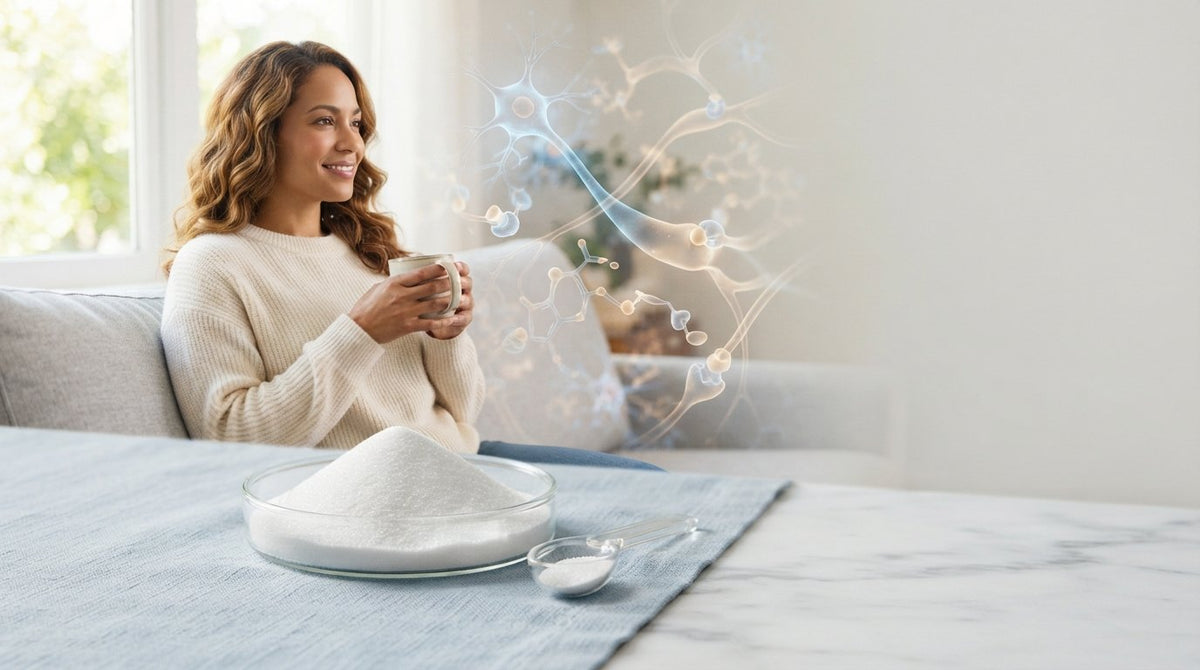
Most retail mood supplements fail because standard capsules cannot physically deliver the volume validated by clinical science. When researching inositol for anxiety and mood support, many wellness seekers find themselves trapped between low-potency pills diluted by synthetic flow agents and the heavy, sluggish side effects of prescription options. Swallowing ten to twelve capsules a day just to approach a clinically relevant intake is both impractical and counterproductive. If you feel frustrated by deceptive labels and unnecessary additives, your skepticism is well earned.
Real emotional balance requires physiological precision and absolute ingredient purity. In this guide, you'll discover how inositol reinforces cellular neurotransmitter signaling, what peer-reviewed research reveals about effective protocols, and why pure crystalline powder delivers superior bio-absorption without digestive distress. We'll examine the primary neurological pathways behind everyday stress modulation, identify the exact intake levels used in landmark trials, and show you how to select an unadulterated, lab-grade powder that supports stable daily wellness.
Key Takeaways
- Understand how inositol functions as a vital intracellular secondary messenger, supporting optimal receptor sensitivity for serotonin and dopamine.
- Review landmark clinical findings on inositol for anxiety and mood support to distinguish baseline wellness regimens from high-volume clinical protocols.
- Master practical titration methods to comfortably scale daily intake while preventing transient gastrointestinal sensitivity.
- Learn why pure crystalline powder ensures superior bio-absorption and eliminates the heavy pill burden of swallowing dozens of capsules daily.
- Discover how to identify lab-grade, single-ingredient formulations manufactured without synthetic flow agents, binders, or hidden excipients.
The Science of Inositol for Anxiety and Mood Support: How It Works
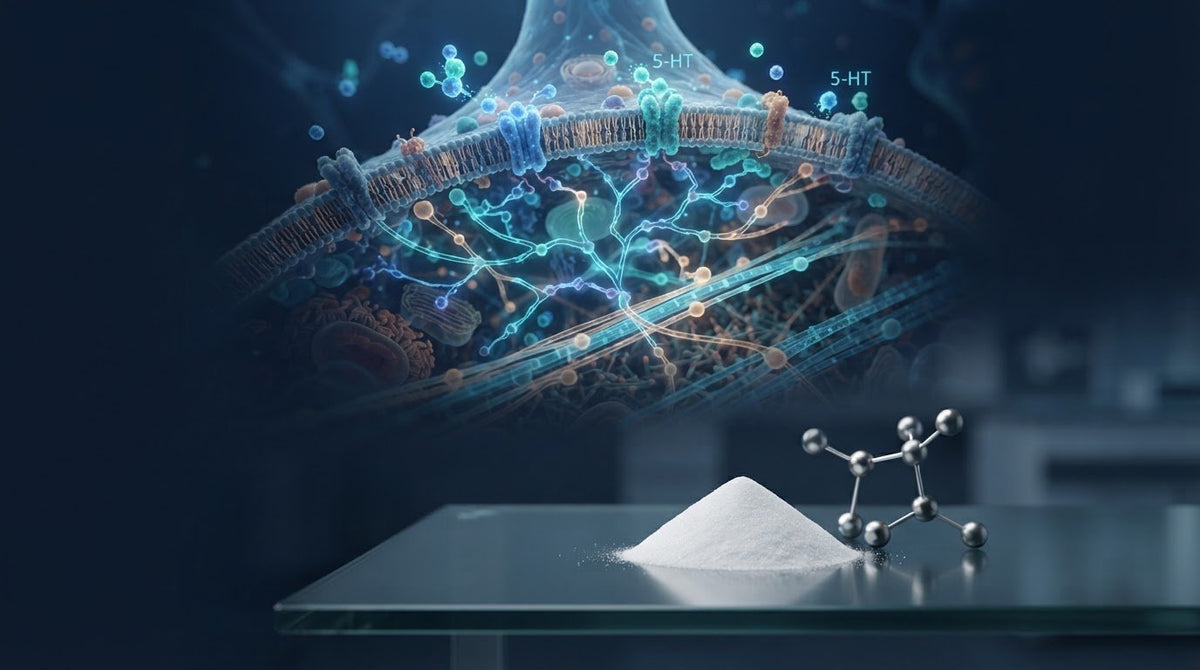
Inositol is a carbocyclic sugar naturally present in high concentrations within human brain tissue. Historically misidentified as vitamin B8, modern biochemistry classifies it as an intracellular secondary messenger. Rather than acting as a standard micronutrient, inositol operates downstream from neurotransmitter receptors. When chemical messengers like serotonin bind to cell surfaces, intracellular inositol translates those external signals into precise biological actions. Understanding The Science of Inositol reveals why this compound is fundamental to cellular communication and nervous system stability.
For individuals seeking inositol for anxiety and mood support, its physiological value lies in receptor sensitivity. Inositol does not flood synapses with synthetic compounds. Instead, it maintains the structural integrity of neural signaling cascades, helping the brain regulate stress naturally.
To better visualize how this compound functions within neurological pathways, watch this clinical breakdown:
The Phosphatidylinositol Cycle and Brain Signaling
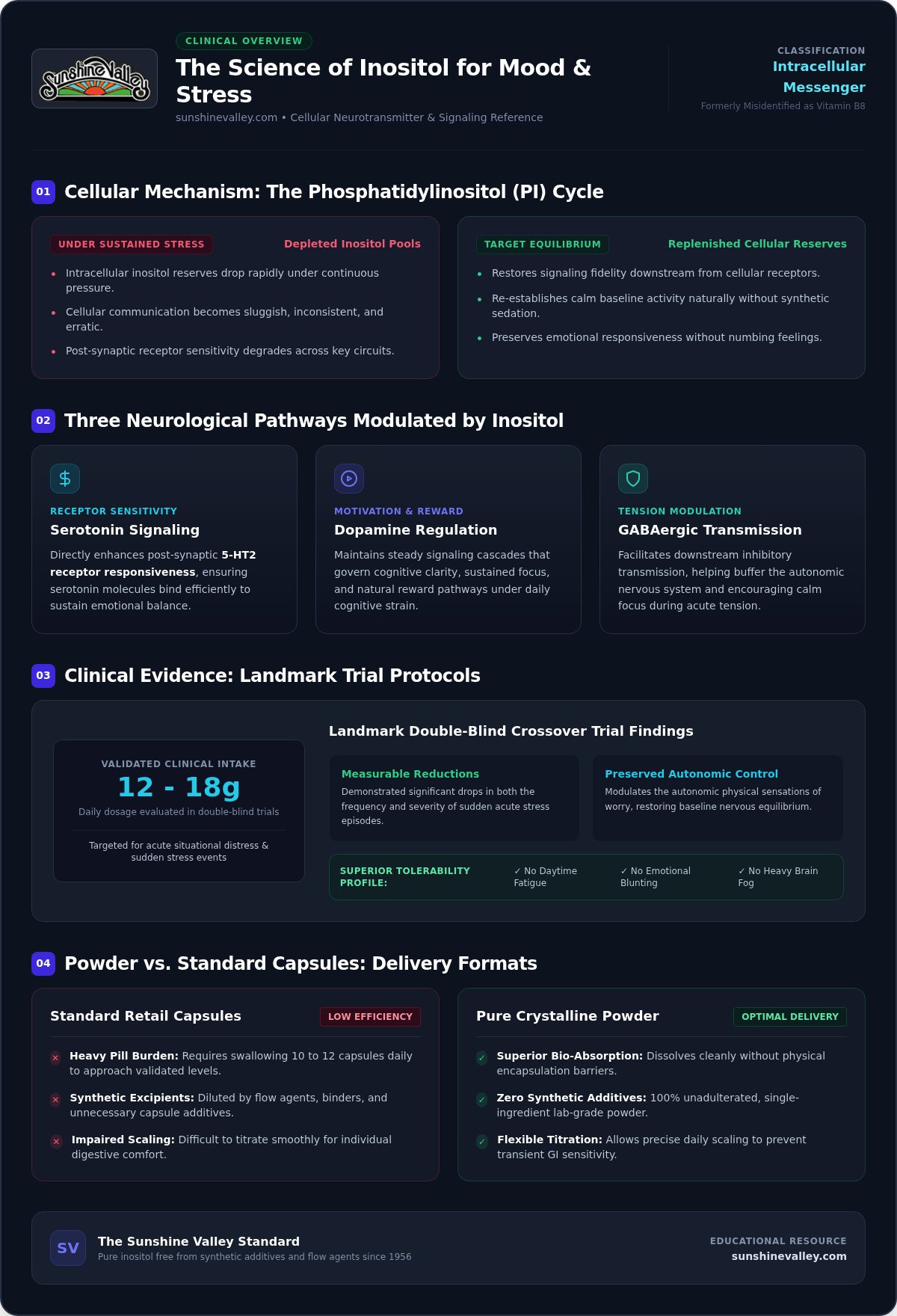
Brain cells rely on the phosphatidylinositol (PI) cycle to transmit commands across cellular membranes. This cyclic pathway governs how neurons respond to sensory inputs and psychological stressors. Under conditions of sustained emotional pressure, intracellular inositol pools deplete rapidly. When reserves drop, cellular signaling becomes sluggish and erratic. Replenishing these stores restores signaling fidelity across neural networks, re-establishing calm baseline activity without numbing emotional responsiveness.
Balancing Serotonin, Dopamine, and GABA Pathways
Neurological equilibrium depends on harmonious communication among several core neurotransmitter systems. Inositol plays an active role in optimizing these circuits:
- Serotonin Sensitivity: Enhances post-synaptic 5-HT2 receptor responsiveness, ensuring serotonin binds efficiently.
- Dopamine Regulation: Supports steady signaling cascades that govern motivation, cognitive clarity, and emotional reward.
- GABAergic Modulation: Facilitates downstream inhibitory transmission, encouraging calm focus under acute tension.
By optimizing receptor sensitivity, inositol for anxiety and mood support allows your brain to utilize its existing chemical messengers more effectively. It refines your innate neurology rather than overriding it.
Evaluating Clinical Evidence: Research on Inositol for Mood Support
Double-blind clinical investigations over the past three decades have transformed how researchers view non-prescription emotional wellness. Rather than relying solely on synthetic compounds that artificially manipulate synaptic chemistry, researchers began testing whether replenishing natural intracellular messengers could produce tangible calm. When evaluating inositol for anxiety and mood support, published trials consistently highlight its capacity to sustain equilibrium during acute emotional challenges without the persistent grogginess associated with conventional sedatives.
Clinical Findings on Panic and Situational Stress
In landmark double-blind crossover studies, investigators examined the effects of inositol on individuals facing intense situational distress and unexpected panic episodes. Clinical protocols evaluating daily intakes between 12 and 18 grams demonstrated measurable drops in both the frequency and severity of sudden stress events. Researchers observed improvements comparable to standard pharmaceutical interventions, but with a stark difference in tolerability. Participants reported significantly fewer adverse events, avoiding common complaints like daytime fatigue, emotional blunting, and heavy morning brain fog. The data indicates that inositol modulates the autonomic physical sensations of sudden worry, helping preserve nervous system balance.
Obsessive Thought Patterns and Emotional Regulation
Clinical trials have also assessed inositol's influence on repetitive, intrusive worry cycles. In studies focused on obsessive cognitive patterns, daily inositol intake fostered measurable improvements in cognitive flexibility and emotional regulation. By supporting steady receptor communication, inositol helps loosen rigid mental loops, making it easier for the nervous system to disengage from persistent tension.
A critical takeaway from the literature is the structural difference between acute clinical trials and daily nutritional regimens:
- Targeted Clinical Research: Studies utilized high volumes (12 to 18 grams per day) divided into multiple administrations to address acute, persistent distress.
- Daily Wellness Protocols: Baseline nutritional support typically requires lower daily quantities to sustain ongoing receptor health and cellular resilience.
- Safety and Tolerability: Across long-term trials, inositol maintained an exceptional safety profile, producing only mild, transient digestive shifts at elevated doses.
Achieving meaningful results depends on ingredient integrity. Integrating lab-grade single-ingredient powders provides the exact purity examined in clinical literature without the digestive burden of synthetic binders or chemical lubricants.
Dosing Protocols and Practical Usage Frameworks for Daily Wellness
Implementing an effective regimen requires a clear distinction between baseline nutritional maintenance and intensive clinical interventions. While formal clinical trials studied high therapeutic volumes, daily emotional equilibrium rarely requires an immediate jump into maximum doses. Approaching inositol for anxiety and mood support systematically protects digestive comfort while allowing brain tissue to adapt steadily to restored secondary messenger signaling.
Step-by-Step Titration for Optimal Tolerance
Because inositol is a polyol compound, introducing elevated quantities abruptly can draw water into the intestinal tract. This osmotic effect accounts for the minor, transient bloating or digestive looseness reported in early trial phases. A disciplined titration framework prevents gastrointestinal sensitivity:
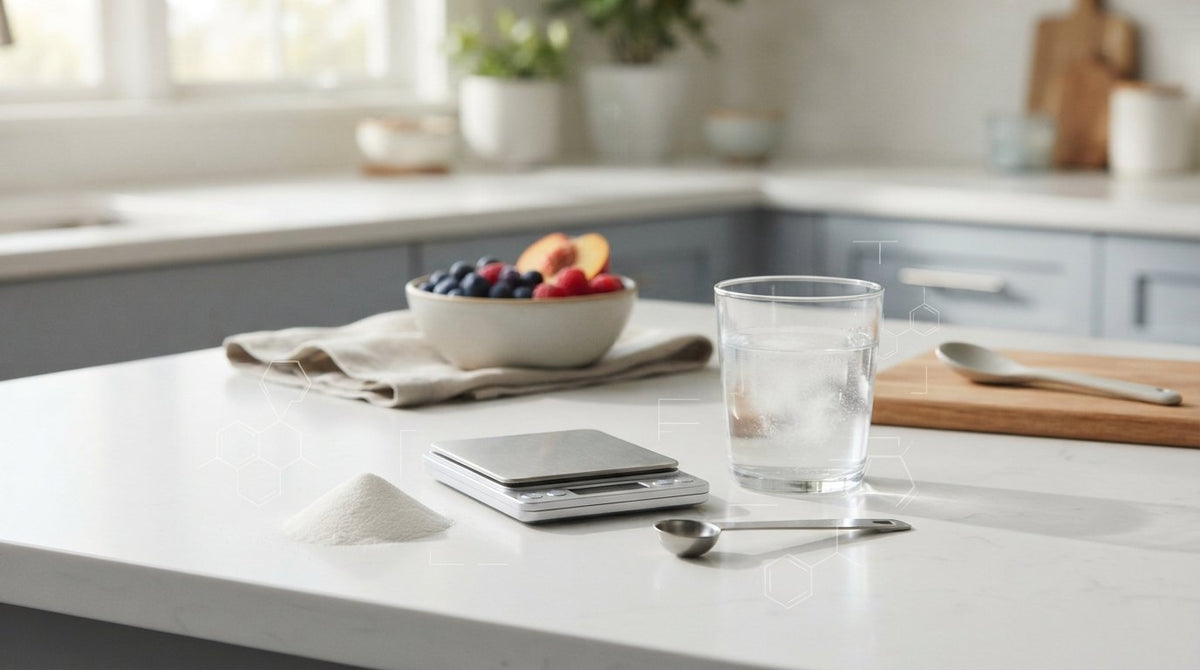
- Phase 1 (Days 1 to 4): Begin with two to four grams daily, dissolved thoroughly in clean water.
- Phase 2 (Days 5 to 8): Increase total daily intake by two grams, assessing gastrointestinal tolerance.
- Phase 3 (Ongoing): Incrementally scale by two grams every three to five days until reaching your target daily baseline.
- Divided Delivery: Always divide daily totals between morning and evening servings to maintain steady intracellular availability.
For detailed measurement standards and preparation protocols, consult our detailed guide on how to take inositol powder safely.
Timing and Synergy for Calm and Focus
Dividing consumption across the day stabilizes neural signaling networks around the clock. Morning intake supports daytime composure and cognitive endurance under pressure, preventing acute stress spikes without causing sluggishness. Consuming an evening serving encourages muscular and mental relaxation, quieting repetitive worry patterns to facilitate restorative sleep.
Cellular bioavailability peaks when inositol dissolves fully in room-temperature water or non-acidic beverages. Stirring pure crystals into liquid ensures rapid gastric transit and cellular uptake. Many wellness practitioners recommend pairing inositol with a balanced B-vitamin complex, as active B-vitamins act as essential enzymatic cofactors in neurotransmitter synthesis. Consistent daily timing preserves intracellular reserves, reinforcing long-term central nervous system stability.
Powder vs. Capsules: Choosing the Right Supplement Format for Mood Support
Selecting the appropriate physical delivery vehicle determines whether a nutritional regimen succeeds or fails. While capsules dominate retail pharmacy shelves, they present major physiological and practical obstacles when utilizing inositol for anxiety and mood support. Achieving the cellular saturation documented in medical literature requires a format that delivers volume cleanly without placing unnecessary stress on digestive pathways.
Overcoming the Encapsulation Barrier
Most commercial capsules contain a modest 500 milligrams of active material. Achieving a standard maintenance intake of four to six grams requires swallowing eight to twelve large capsules every day. Clinical protocols require twice that amount. This extreme pill burden causes gastrointestinal distress, as stomach acid struggles to break down dense gelatin shells and industrial cellulose. Pure crystalline powder eliminates this friction entirely. The crystals dissolve effortlessly in cool water or herbal tea, ensuring rapid cellular absorption without esophageal strain.
Avoiding Unwanted Fillers and Flow Agents
High-speed encapsulating machinery cannot process raw inositol crystals efficiently without commercial lubricants. To prevent jamming, contract manufacturers add synthetic anti-caking compounds, including:
- Magnesium Stearate: A flow agent that can impede the prompt breakdown of active nutrients.
- Silicon Dioxide: A synthetic silica additive used to reduce internal moisture in bottling plants.
- Microcrystalline Cellulose: Bulking fiber that adds inactive weight to consumer capsules.
These synthetic excipients offer zero biological value and frequently provoke distress in individuals with sensitive digestive tracts. True single-ingredient powders bypass manufacturing shortcuts, providing unadulterated bio-availability.
| Format Factor | Pure Crystalline Powder | Encapsulated Supplements |
|---|---|---|
| Dosing Efficiency | Single teaspoon delivery | 12 to 24 large pills per day |
| Absorption Speed | Immediate liquid bioavailability | Delayed capsule dissolution |
| Purity Profile | 100% pure active compound | Contains binders and flow agents |
To establish an effective wellness protocol without unnecessary chemical additives, choose pure Super Inositol powder for uncompromising clinical quality.
The Sunshine Valley Standard: Pure Inositol Free from Additives Since 1956
Purity is not a cosmetic marketing angle. When introducing a functional compound into cellular metabolism, uncompromised raw material integrity dictates biological performance. In an industry flooded with contract-manufactured tablets and filler-laden capsules, Sunshine Valley operates on an entirely different premise. Our flagship Super Inositol represents a crystalline formulation engineered specifically for discerning wellness seekers who demand lab-grade purity for daily emotional balance.
Seven Decades of Clinical Grade Excellence
Founded in 1956 by a practicing physician, Sunshine Valley was built on clinical precision. Our founder recognized that commercial dietary preparations routinely contained excipients and bulking agents that compromised compound absorption. For seven decades, we have maintained a strict, uncompromising refusal to dilute our formulations with synthetic processing aids, artificial binders, or chemical lubricants.
Every batch of Super Inositol is produced under rigorous hygienic supplement manufacturing standards. Rather than letting finished goods sit on retail shelves or endure fluctuating temperatures in third-party warehouses, we ship directly to consumers. This direct-to-consumer model preserves crystalline structural stability and ensures maximum chemical integrity from our facility to your home.
Experience Clean Mood Support with Super Inositol
When selecting inositol for anxiety and mood support, physical texture and solubility matter. Super Inositol features a pure crystalline grind that dissolves immediately in liquid without clumping, leaving no chalky residue behind. It possesses a subtle, clean sweetness naturally inherent to the inositol molecule itself, making it an effortless addition to morning water or evening herbal tea.
Our single-ingredient manufacturing delivers distinct functional advantages:
- Zero Excipients: Free from magnesium stearate, silicon dioxide, and artificial anti-caking compounds.
- Precise Dosing Control: Simple measuring allows you to tailor your daily intake without consuming dozens of gelatin shells.
- Verified Bio-Absorption: Pure dissolved crystals pass smoothly through the gastric environment for swift cellular uptake.
Achieving stable neural signaling requires consistency, patience, and unadulterated ingredients. We invite you to experience pure Super Inositol and discover the profound difference that seven decades of heritage and purity bring to daily emotional wellness.
Reclaim Daily Balance Through Clinical Purity
Sustained emotional resilience starts at the cellular level. As clinical research confirms, inositol for anxiety and mood support doesn't override delicate brain chemistry. Instead, it restores the intracellular secondary messengers that keep neurotransmitter pathways responsive. Achieving meaningful daily benefits requires choosing a delivery vehicle that respects your physiology. Swallowing dozens of dense capsules burdened with synthetic lubricants, binders, and fillers only places unnecessary strain on your digestive system.
Since 1956, Sunshine Valley has maintained an uncompromising clinical benchmark. Founded by a physician dedicated to raw ingredient integrity, our lab-grade powders deliver active nutrients directly to your home without flow agents, excipients, or warehouse degradation. When you supply your nervous system with verified purity, lasting calm follows naturally. Take the next step toward steady emotional wellness and experience the purity of Super Inositol for daily emotional balance today.
Frequently Asked Questions
How long does it typically take to feel results from inositol for mood support?
Most individuals notice subtle improvements in baseline emotional calm within two to four weeks of consistent daily intake. Because inositol works by gradually replenishing intracellular secondary messenger pools and enhancing receptor sensitivity, it doesn't act as an instantaneous sedative. Published clinical studies generally observe maximum measurable benefits after four to six weeks of regular use. Establishing a disciplined daily routine ensures your central nervous system maintains optimal cellular concentrations.
Can inositol powder be taken alongside prescription antidepressant or antianxiety medications?
You should always consult your prescribing healthcare provider before combining inositol with prescription medications. While inositol is a naturally occurring carbocyclic sugar, it directly influences serotonin receptor sensitivity and intracellular pathways. Concomitant use with selective serotonin reuptake inhibitors (SSRIs) or other psychiatric pharmaceuticals could compound serotonergic activity. A medical professional can assess potential interactions and ensure safe, responsible integration tailored to your individual health history.
What is the primary difference between myo-inositol and d-chiro-inositol for mental wellness?
Myo-inositol is the specific isomer responsible for central nervous system signaling and neurotransmitter receptor sensitivity. While D-chiro-inositol plays a specialized role in peripheral insulin signaling and metabolic balance, human brain tissue consists almost exclusively of myo-inositol. Clinical research examining inositol for anxiety and mood support specifically utilizes pure myo-inositol to cross the blood-brain barrier effectively. Using unblended myo-inositol ensures your brain receives the exact isomer required for neurological equilibrium.
Does inositol cause any notable side effects or digestive discomfort at higher doses?
Inositol is generally well-tolerated, though rapid increases in dosage can trigger mild, transient digestive changes like loose stools or bloating. Because inositol is structurally a polyol, unabsorbed quantities in the gut can draw in water via osmotic action. Following a gradual titration protocol over two to three weeks allows your digestive tract to adapt comfortably. Dividing your total intake between morning and evening servings also helps eliminate potential gastrointestinal distress.
Is inositol powder habit-forming or associated with withdrawal symptoms upon discontinuation?
No, inositol is entirely non-habit-forming and does not create physical dependence or withdrawal symptoms. Unlike conventional sedatives or certain pharmaceutical options, inositol works by supporting your body's intrinsic cellular processes rather than artificially overriding synaptic chemistry. If you choose to discontinue daily use, intracellular levels simply return to baseline dietary levels over time. There is no biological rebound effect, making it a reliable option for sustainable emotional wellness.
Can inositol be taken safely during the evening without disrupting normal sleep cycles?
Yes, taking inositol in the evening is safe and often encourages deeper, more restful sleep. Inositol promotes downstream GABAergic activity and helps quiet intrusive thought patterns, allowing the nervous system to transition smoothly into rest. It doesn't cause daytime lethargy or grogginess, so an evening serving works synergistically with your body's natural circadian rhythms to ease mental tension before bed. Dissolving pure powder in warm herbal tea creates an ideal evening relaxation ritual.
Why is powdered inositol preferred over conventional capsules for clinical mood protocols?
Pure powder provides the substantial gram-level quantities validated by clinical trials without the massive pill burden of commercial capsules. Reaching therapeutic thresholds with standard 500-milligram capsules requires swallowing 12 to 24 pills daily, which inundates the stomach with gelatin and synthetic flow agents. Single-ingredient powders like Super Inositol dissolve instantly in water for rapid cellular uptake. Choosing lab-grade powder ensures you receive pure, unadulterated inositol for anxiety and mood support without unwanted fillers or industrial lubricants.

Leave a comment
This site is protected by hCaptcha and the hCaptcha Privacy Policy and Terms of Service apply.