



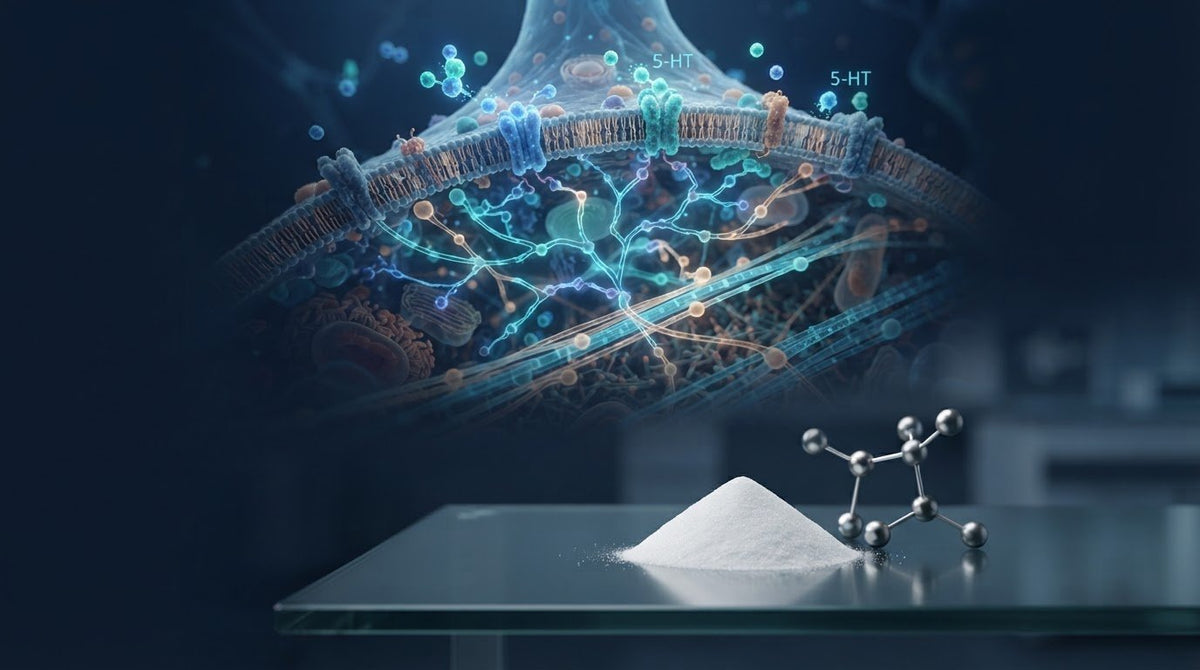
Neurotransmitter abundance means nothing if your brain's cellular receivers cannot translate the message. If you have dialed in your daily habits and still struggle with uneven emotional well-being, the root issue isn't always your serotonin production; it's receptor responsiveness. Utilizing inositol for serotonin support addresses this exact biological gap. When postsynaptic pathways lack the structural materials to fire intracellular second messengers, conventional mood strategies quickly stall.
You shouldn't have to decipher confusing neurochemical literature or accept retail formulas crowded with artificial binders and chemical excipients to find stability. In this guide, you'll discover how pure inositol restores cellular communication, strengthens serotonin receptor sensitivity, and builds emotional resilience through clinical-grade nutrition. We examine the exact signaling cascade, review evidence-based daily intake protocols, and outline how to source single-ingredient powder that delivers uncompromised physiological support.
Key Takeaways
- Understand why neurotransmitter availability depends on the phosphoinositide cycle to successfully relay messages across postsynaptic membranes.
- Discover the cellular advantages of inositol for serotonin support compared to standard upstream amino acid precursors like L-tryptophan and 5-HTP.
- Master structured intake protocols, progressive titration schedules, and critical synergistic nutrient pairings for optimal biochemical stability.
- Identify the hidden compromises in commercial capsules and tablets, including synthetic flowing agents, lubricants, and artificial excipients.
- Learn how pure, single-ingredient powder formats provide the clinical precision required for exact milligram dosing and cellular delivery.
What Is Inositol and How Does It Support Serotonin?
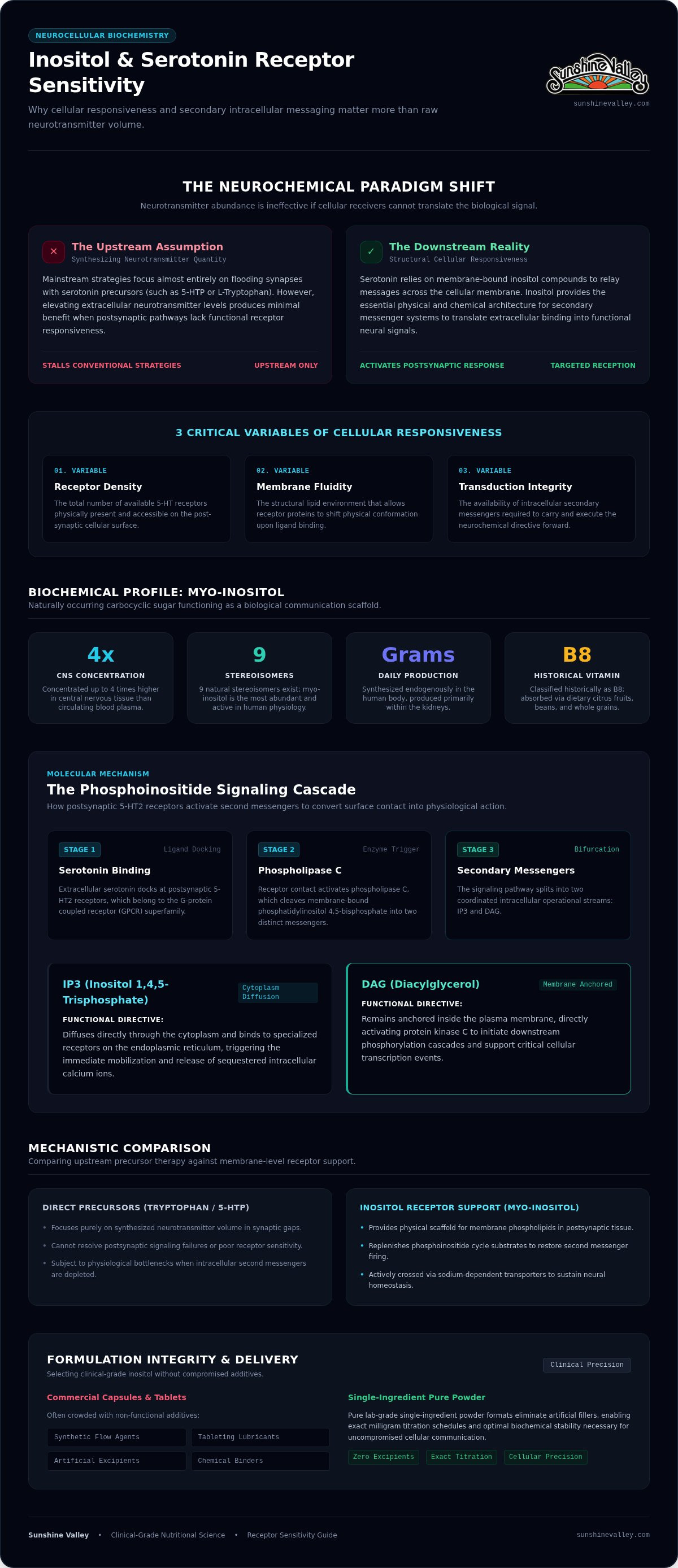
Myo-inositol is a naturally occurring carbocyclic sugar essential for cellular signaling pathways. While researchers historically classified it as vitamin B8, the human body produces several grams daily, primarily inside the kidneys. Cells also absorb it directly from dietary sources like citrus fruits, beans, and whole grains. In neural tissue, inositol serves as a core structural element of cell membrane phospholipids. To understand What Is Inositol at a biological level, one must examine its role as a structural scaffold for communication rather than a simple caloric nutrient.
Serotonin molecules cannot transmit signals across cell membranes on their own. Instead, they rely on membrane-bound inositol structures to convey chemical directives into the interior of brain cells. Utilizing pure inositol for serotonin support ensures that target neurons maintain the physical infrastructure required to translate extracellular serotonin binding into functional electrical and neurochemical signals.
To better understand this concept and see how it functions practically, watch this helpful overview:
The Biochemical Identity of Myo-Inositol
Nine distinct stereoisomers of inositol exist in nature, yet myo-inositol represents the most abundant and biologically active form in human physiology. Central nervous system tissue concentrates myo-inositol at levels up to four times higher than circulating blood plasma. Specialized sodium-dependent myo-inositol transporters actively move this compound across the blood-brain barrier. Under conditions of chronic metabolic stress, these cellular transport mechanisms maintain neural homeostasis, protecting brain cells from signaling failures.
The Distinction Between Neurotransmitter Quantity and Cellular Reception
A common clinical misconception equates mood stability solely with absolute serotonin volume. Elevated neurotransmitter levels produce minimal benefit if postsynaptic receptors lack sensitivity. Cellular responsiveness depends on specific physical variables:
- Receptor Density: The total number of available 5-HT receptors present on the post-synaptic cellular surface.
- Membrane Fluidity: The lipid environment that permits receptor proteins to shift conformation upon ligand contact.
- Transduction Integrity: The availability of intracellular secondary messengers needed to carry the signal forward.
Inositol acts directly on the receiving end of this neurochemical bridge. When evaluating inositol for serotonin support, the focus shifts from artificial neurotransmitter stimulation to reinforcing the organic reception mechanisms that make existing serotonin physiologically effective.
The Phosphoinositide Cycle: The Mechanism Behind Receptor Sensitivity
Mainstream mental wellness advice frequently obsesses over flooding synapses with serotonin precursors like tryptophan or 5-HTP. This approach overlooks a fundamental biological reality: neurotransmitters cannot function without competent intracellular messengers. Postsynaptic 5-HT2 serotonin receptors belong to the G-protein coupled receptor (GPCR) superfamily. When serotonin docks at these surface proteins, it activates an enzyme called phospholipase C. This begins the phosphoinositide cascade, a biochemical chain reaction that converts surface contact into real physiological action.
How Second Messengers Transmit Serotonin Signals
Once activated, phospholipase C cleaves membrane-bound phosphatidylinositol 4,5-bisphosphate into two distinct second messengers: inositol 1,4,5-trisphosphate (IP3) and diacylglycerol (DAG). These molecules execute distinct yet coordinated tasks inside the neuron:
- Intracellular Calcium Mobilization: IP3 diffuses through the cytoplasm and binds to receptors on the endoplasmic reticulum, prompting the immediate release of sequestered calcium ions.
- Enzyme Activation: DAG remains anchored in the plasma membrane, activating protein kinase C to initiate downstream phosphorylation cascades and support cellular transcription.
Together, these secondary messengers translate an external binding event into lasting changes in neural excitability and neuroplasticity. Without an adequate pool of membrane inositol, this transmission chain breaks down.
Cellular Inositol Depletion and Mood Vulnerability
Chronic psychological stress and sustained cortisol output accelerate inositol consumption in key limbic structures. When internal reserves run low, postsynaptic receptors become desensitized. The receptor may still bind serotonin, but the downstream messenger machinery cannot fire effectively. Supplying bioavailable inositol for serotonin support helps resynthesize essential membrane lipids, restoring receptor sensitivity and cellular responsiveness.
Because daily environmental demands drain these neural reserves quickly, integrating a single-ingredient compound like Super Inositol ensures your cells receive pure signaling substrates without interfering fillers or synthetic binding agents.
Inositol vs. Direct Precursors: Comparing Serotonin Support Mechanisms
Standard nutritional protocols for mood frequently prioritize upstream synthesis. Many strategies rely on L-tryptophan or 5-hydroxytryptophan (5-HTP) to force higher synaptic transmitter output. While this approach increases raw volume, it completely neglects downstream receptor fidelity. Using inositol for serotonin support targets the opposite side of the synapse. Instead of simply manufacturing more neurotransmitter, inositol ensures the receiving neuron can register and process the chemical message.
Evaluating these two interventions highlights complementary physiological roles:
- Upstream Precursors (Tryptophan, 5-HTP): Drive gross enzymatic synthesis. Sustained high intake risks receptor down-regulation or excessive synaptic accumulation over time.
- Downstream Modulators (Myo-Inositol): Fortify the phosphoinositide signaling architecture. They optimize postsynaptic receptor sensitivity and second-messenger efficiency without forcing unnatural chemical surges.
Precursor Synthesis: Tryptophan, 5-HTP, and Enzymatic Cofactors
Dietary tryptophan converts to 5-HTP through the rate-limiting enzyme tryptophan hydroxylase before yielding serotonin. Under systemic stress or immune activation, however, the enzyme indoleamine 2,3-dioxygenase shunts tryptophan into the inflammatory kynurenine pathway instead of serotonin production. Specific cofactors prevent this metabolic diversion. Using pure niacinamide vitamin b3 powder provides foundational cofactor support, sparing tryptophan reserves and maintaining healthy monoamine production pathways.
Downstream Reception: Why Inositol Complements Precursor Strategies
Pushing precursors without structural membrane support frequently yields diminishing therapeutic returns. When synapses are continuously flooded with neurotransmitters, target cells protect themselves by down-regulating surface receptors. Neurons internalize these proteins, desensitizing the entire neural circuit.
Inositol counters this desensitization by accelerating phospholipid membrane turnover. By maintaining adequate intracellular supplies of second messengers, it keeps receptors receptive to standard synaptic signals. Pairing foundational precursors with pure inositol for serotonin support establishes a complete, bi-directional strategy: reliable monoamine synthesis supported by resilient cellular reception.
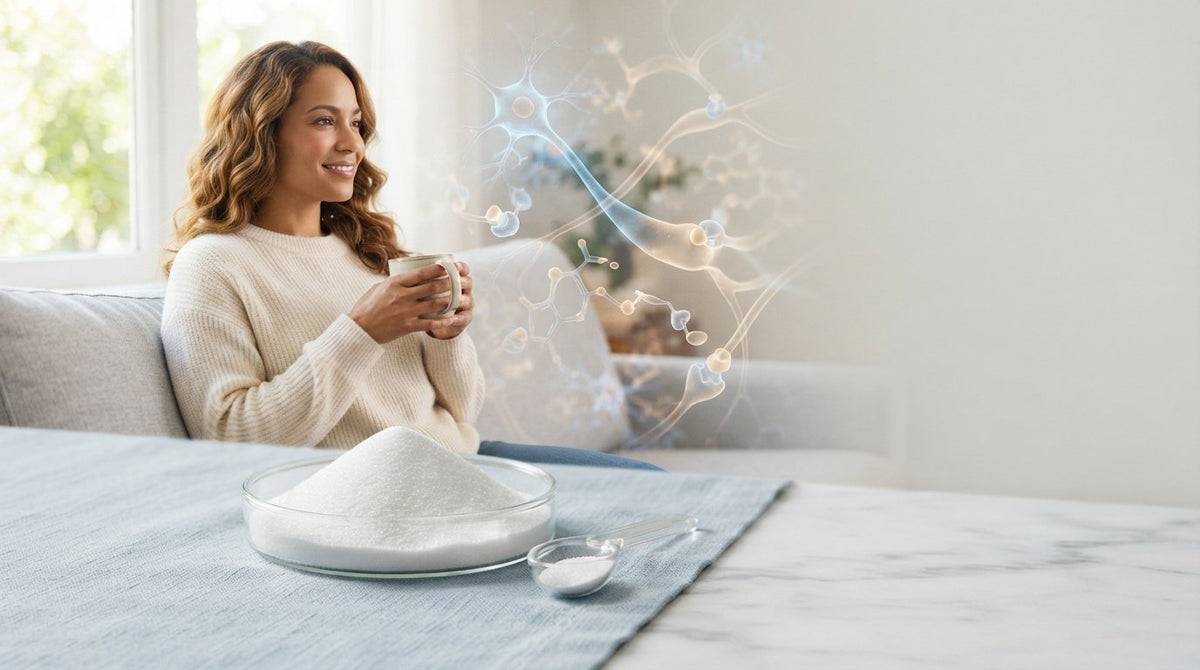
Daily Protocols: Dosing, Timing, and Synergistic Cofactors
Clinical efficacy requires methodical administration. You cannot flood neural pathways overnight and expect immediate receptor adaptation. When implementing inositol for serotonin support, following a structured intake strategy respects gastrointestinal absorption kinetics while giving postsynaptic receptors time to adjust.
A four-step framework establishes consistent physiological availability:
- Step 1: Establish a Baseline: Begin with a modest daily intake of 1 to 2 grams of pure myo-inositol powder taken with food.
- Step 2: Titrate Upward: Gradually increase the daily serving over two to four weeks, monitoring individual tolerance at each stage.
- Step 3: Split Daily Servings: Divide the total intake between morning and evening routines to maintain steady plasma concentrations.
- Step 4: Incorporate Synergistic Cofactors: Pair intake with essential micronutrients that catalyze intracellular phosphorylation.
Titration Protocols and Digestive Comfort
Rapidly introducing large doses draws water into the lower intestinal tract through osmotic pressure, causing transient digestive loose stools. Consult our clinical guide on how to take inositol powder for exact measuring advice and progressive schedules. Dissolving pure crystal powder into room-temperature water facilitates rapid gastrointestinal transit and gentle assimilation. Gradual pacing allows transport enzymes to adapt without discomfort.
Cofactor Synergy: Combining Inositol with B Vitamins
Intracellular utilization requires active enzymatic participation. Once inside brain cells, free myo-inositol must convert into phosphatidylinositol via inositol kinase enzymes. These enzymes depend entirely on bioavailable magnesium and cellular ATP. B-complex vitamins, particularly active B6 and niacinamide, reinforce these metabolic pathways by facilitating phospholipid methylation. Maintaining proper daily hydration also supports the sodium-dependent transporters that ferry inositol across the blood-brain barrier.
Sustained neurochemical balance requires clean, uncompromised ingredients. If you're ready to implement a precise, additive-free daily protocol, order pure Super Inositol powder to secure lab-grade nutritional support directly from the source.
Selecting Pure, Lab-Grade Inositol Without Chemical Additives
Most commercial supplements prioritize factory convenience over biological efficacy. High-speed manufacturing lines require flowing agents, anti-caking powders, and chemical lubricants to push ingredients through machinery without clogging. When you take commercial tablets or capsules, you routinely ingest non-nutritive additives alongside the target molecule. Securing lab-grade inositol for serotonin support means eliminating these chemical distractions so your digestive system absorbs only the pure compound.
Opting for single-ingredient powders provides distinct physiological advantages:
- Targeted Dosing: Pure powders allow accurate milligram adjustments that rigid tablet measurements cannot match.
- Maximum Bioavailability: Raw crystals dissolve directly in water, bypassing the mechanical breakdown required for compacted pills.
- Clean Ingestion: Zero exposure to synthetic glidants, artificial preservatives, or chemical coatings.
The Pitfalls of Excipients, Binders, and Flowing Agents
Substances like magnesium stearate, silicon dioxide, and stearic acid serve the machine, not the consumer. Hydrophobic lubricants can slow dissolution rates in gastric fluid, delaying absorption across the intestinal wall. Industrial tablet compression also generates substantial friction and heat, which can stress delicate crystalline structures. Pure unadulterated powders safeguard natural crystal integrity, ensuring swift, complete dissolution in room-temperature liquids.
Heritage Standards in Clean Nutritional Manufacturing
Genuine purity requires uncompromising process control from raw synthesis to final packaging. Review the principles of hygienic supplement manufacturing to understand how strict clean-room protocols protect raw ingredients from environmental cross-contamination, airborne particulates, and microbial adulteration.
Established in 1956, Sunshine Valley has maintained an unbroken standard of producing single-ingredient nutritional powders without fillers or artificial processing aids. Originally trusted by discerning wellness practitioners and notable private clientele, this heritage approach guarantees clinical-grade integrity in every batch. Experience this standard firsthand with Super Inositol from Sunshine Valley, and give your neural receptors the pristine cellular fuel they require.
Elevating Neurochemical Resilience Through Cellular Purity
Lasting emotional balance doesn't come from forcing unnatural spikes in monoamine production. It requires fortifying the membrane structures that register and translate every signal. Utilizing pure inositol for serotonin support revitalizes the phosphoinositide cascade, ensuring postsynaptic receptors maintain the second-messenger machinery needed to respond to neurotransmitters effectively. When you nourish the receiving end of the synapse, emotional resilience becomes sustainable.
Achieving this level of physiological precision demands ingredients free from industrial shortcuts. Pioneering pure single-ingredient wellness powders since 1956, Sunshine Valley manufactures with zero synthetic flowing agents, binders, excipients, or artificial additives. Strict laboratory-grade manufacturing standards preserve delicate crystalline integrity for direct cellular utilization. Explore Pure Super Inositol Powder at Sunshine Valley to integrate clinically sound, uncompromised cellular nutrition into your daily wellness foundation.
Frequently Asked Questions
How does inositol support healthy serotonin function in the brain?
Inositol supports serotonin by providing the structural backbone for the phosphoinositide second-messenger system within postsynaptic neurons. When serotonin binds to 5-HT2 receptors, the cell relies on inositol-derived lipids to trigger intracellular calcium release and downstream enzyme activity. Without adequate inositol, the receptor cannot relay signals into the cell interior. Utilizing pure inositol for serotonin support ensures neurons maintain the cellular machinery needed for clear neurochemical communication.
Is inositol more effective than 5-HTP or L-tryptophan for mood support?
Neither compound is inherently superior; they perform fundamentally different biological jobs. Precursors like L-tryptophan and 5-HTP increase the raw synthesis of neurotransmitters in presynaptic cells. Inositol acts postsynaptically, strengthening receptor sensitivity and downstream signal processing. Taking precursors without adequate membrane inositol can cause diminishing returns. Many individuals achieve better emotional resilience by prioritizing receptor responsiveness rather than merely forcing higher transmitter production.
What is the recommended daily intake of inositol for emotional wellness?
Clinical literature typically explores intakes ranging from 6 to 18 grams daily for mental well-being, though many individuals begin with 1 to 2 grams for baseline support. Because clinical research utilizes different ranges depending on the application, it's wise to titrate slowly across several weeks. Splitting your total intake between morning and evening doses maintains consistent physiological concentrations while allowing your digestive tract to adjust comfortably to daily supplementation.
Can inositol cause digestive upset or other unwanted side effects?
Mild digestive upset, such as loose stools or abdominal bloating, can occur if you consume large servings too quickly. Inositol draws water into the intestinal lumen through osmotic action when introduced abruptly. You can prevent digestive distress by starting with a conservative serving of 1 to 2 grams daily and titrating upward gradually. Dissolving pure crystal powder thoroughly in room-temperature water also promotes smoother, faster gastrointestinal absorption.
How long does it take to experience the benefits of inositol supplementation?
Noticeable changes in emotional resilience and mood stability typically emerge within three to six weeks of consistent daily intake. Unlike immediate stimulants, inositol works by replenishing neuronal membrane lipids and recalibrating secondary messenger pathways over time. Cellular turnover and receptor resensitization require steady physiological exposure. Adhering to a disciplined daily schedule ensures your neural tissues receive continuous structural support for enduring neurochemical balance.
Why choose pure inositol powder over encapsulated pills or tablets?
Pure powder eliminates the synthetic binders, magnesium stearate, and flowing agents commonly found in commercial capsules and tablets. Because therapeutic inositol protocols require gram-level servings, swallowing dozens of pills introduces unnecessary chemical excipients that can slow dissolution. Choosing pure inositol for serotonin support in crystal powder form allows precise milligram adjustments, rapid liquid solubility, and uncompromised cellular delivery without digestive interference.
Does inositol interact with prescription serotonergic medications?
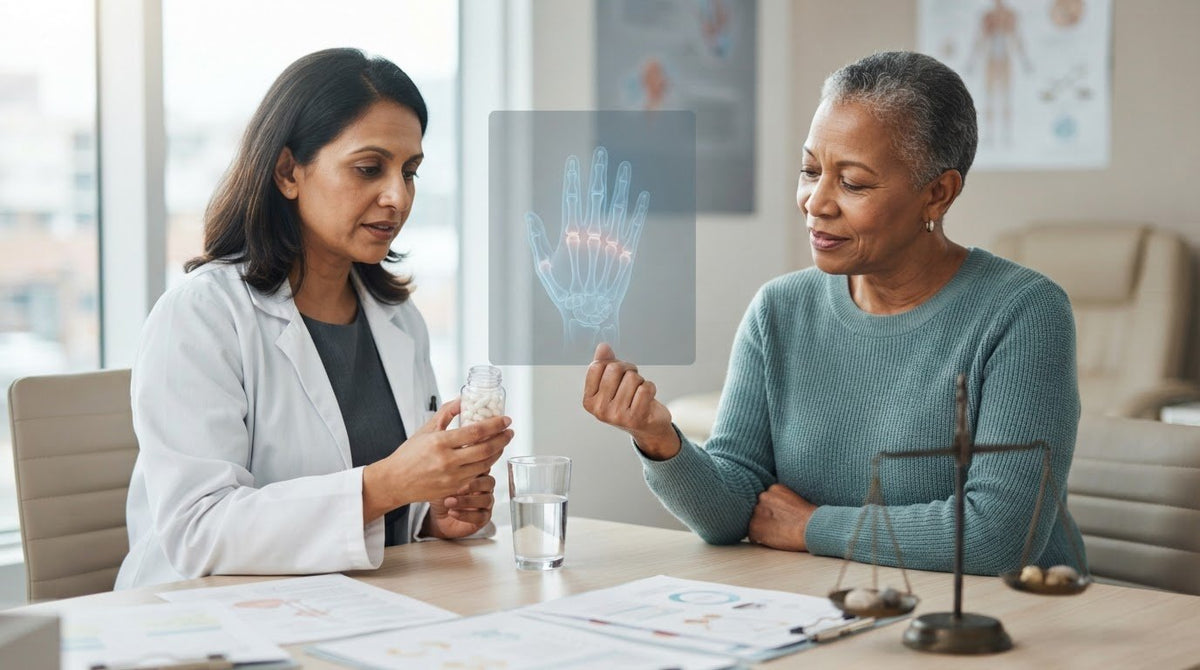
Inositol doesn't directly boost synaptic serotonin levels the way selective serotonin reuptake inhibitors or monoamine oxidase inhibitors do. It functions downstream on cellular receptor signaling instead. However, modifying intracellular cascades can influence how neural circuits respond to pharmacological treatments. Anyone currently taking prescription medications should consult their qualified medical professional before introducing supplemental inositol to ensure compatibility with their ongoing care regimen.

Leave a comment
This site is protected by hCaptcha and the hCaptcha Privacy Policy and Terms of Service apply.